Stork Club
Sherman Billingsley's club on East 53rd Street, where Walter Winchell held Table 50 and café society filled the Cub Room, closed in 1965 after years of pickets.
- Where
- 3 East 53rd Street, just east of Fifth Avenue, Midtown Manhattan, New York (from 1934)
- Open
- 1929–1965
- Known for
- Café-society nightclub with the Cub Room
- Reading time
- 3 minutes
A speakeasy on West 58th Street in 1929
Sherman Billingsley, a former bootlegger from Enid, Oklahoma, opened the Stork Club in 1929 at 132 West 58th Street, a few doors from his own apartment. Two gamblers he knew from Oklahoma had proposed the venture, and Billingsley later said he could not remember how he chose the name. The Oklahomans soon sold out to a man who turned out to be a front for three New York gangsters. When Billingsley was kidnapped and held for ransom by Mad Dog Coll, a rival of those partners, Coll was shot dead before he could collect, and afterwards the hidden partners let Billingsley buy them out for $30,000.
In 1930 the nightclub owner Texas Guinan introduced Billingsley to the columnist Walter Winchell, who that September called the Stork the New Yorkiest place on West 58th. The room filled the same night. Prohibition agents closed the club on December 22, 1931, and it moved to East 51st Street for three years.
3 East 53rd Street and the Cub Room
In 1934, after Prohibition ended, the Stork Club moved to 3 East 53rd Street, just east of Fifth Avenue, where it stayed for the rest of its life. In 1946 Billingsley paid $300,000 in cash for the seven-storey building and pushed out the doctors who rented its offices. It was an awkward space, with the ladies' room on the second floor and the men's on the third, but it held about 1,000 guests. A doorman let people in by unhooking a gold chain at the entrance. Billingsley dropped floor shows once he realised that people came to look at each other, though a band played for dancing in the main dining room.
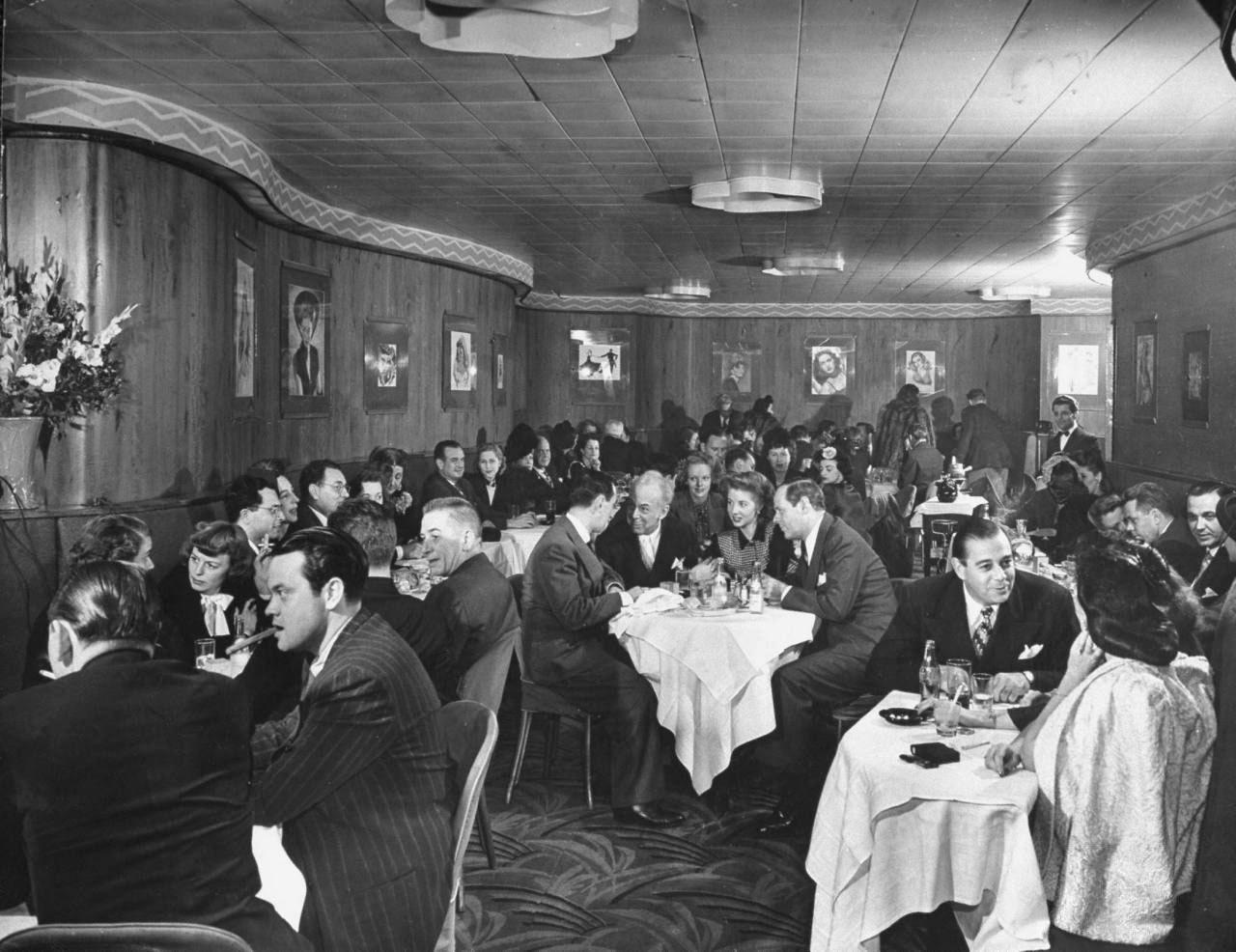
During the Second World War he knocked through a wall of the bar to make a private card room for himself. Winchell named it the Cub Room. It had no windows, pink lighting and wood-panelled walls hung with portraits of beautiful women, and a captain known as Saint Peter decided who got in. Winchell wrote his columns and broadcast his radio programme from Table 50.
“I hope I'll be running a night club the last day I live.”
Hemingway, the Kennedys and Billingsley's gifts
The guest list ran from the Kennedys, Roosevelts and Vanderbilts to the Duke and Duchess of Windsor, Lucille Ball and Desi Arnaz, Marilyn Monroe and Joe DiMaggio. Ernest Hemingway cashed his $100,000 cheque for the film rights to For Whom the Bell Tolls there after closing time. News of Grace Kelly's engagement to Prince Rainier broke while the couple were at the club in January 1956. On a good day in the mid-1940s about 2,500 people came through.
Billingsley kept them coming with presents, spending about $100,000 a year on perfume, compacts, champagne and sometimes cars. He ran the room with hand signals, banned Humphrey Bogart and Milton Berle among others, and from 1950 to 1955 hosted a television show, The Stork Club, from a replica of the Cub Room built upstairs. The club's stork logo appeared on everything from ashtrays to Tiffany silver pins. Billingsley also kept rules: men had to wear ties, and Black guests, while not formally barred, understood they were not welcome. In October 1951 Josephine Baker accused the club of racism after waiting an hour for a steak, and the NAACP picketed outside.
Union pickets and why the Stork Club closed
The club lost money for the first time in 1956. By 1957 every comparable club in New York was unionised except the Stork, and when Billingsley refused to let his staff organise, kitchen and dining room workers struck that January. Pickets marched outside every day for years, up to the last day of business. Performers risked fines from their own unions for crossing the line, regulars stayed away, and old friends including Winchell and J. Edgar Hoover fell out with Billingsley. By 1963 the club was advertising a $1.99 hamburger and fries in the New York Times, and in its final months some nights saw three customers.
The fight cost Billingsley his savings and about $10 million from his daughters' trust funds. The Stork Club closed in October 1965, and that month, while in hospital, he sold the building to CBS. He died of a heart attack on October 4, 1966, still planning to reopen elsewhere.
Paley Park on the Stork Club site
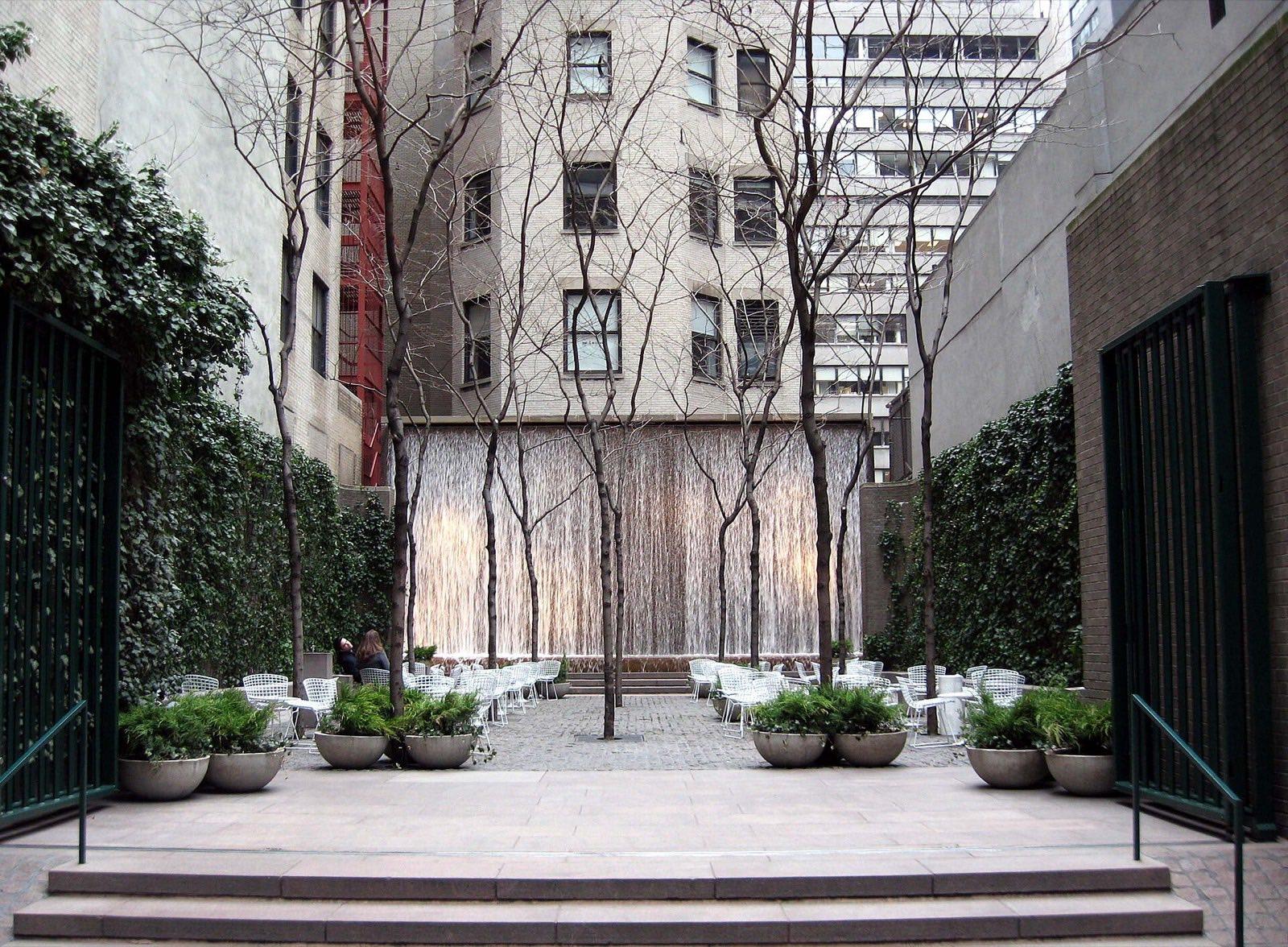
CBS demolished the building and turned the site into Paley Park, a small vest-pocket park with a wall of falling water, named after the father of the network's founder, William S. Paley. A still was found in the building when it came down. The Stork Club's bar was later bought at auction by Jim Brady's on Maiden Lane, where it stayed in use until 2020.
Sources
- Stork Club, Wikipedia
- Vintage NYC photography: the swanky Stork Club where Hemingway, the Vanderbilts and the Kennedys hobnobbed, Untapped New York
- Walter Winchell's hunting ground: the Stork Club, The Daily Beast
The gift shop
The Stork Club sign on a tee, hoodie and more, each printed to order. All Stork Club pieces