Lindell A.C.
The Butsicaris family bar at Cass and Michigan where Tigers, Lions and Red Wings drank with fans, Billy Martin brawled and Alex Karras fought Dick the Bruiser.
- Where
- Cass Avenue at Michigan Avenue, downtown Detroit (from 1963; first at Cass and Bagley)
- Open
- 1949–2002
- Known for
- Downtown sports bar often called the first in America
- Reading time
- 3 minutes
The Lindell Hotel bar at Cass and Bagley
In 1949 Meleti Butsicaris, a Greek immigrant, and his sons Johnny and Jimmy took over the bar on the ground floor of the Lindell Hotel, a run-down building at Cass and Bagley avenues in downtown Detroit. According to the Detroit author Gregory Fournier, they kept the hotel's name, the Lindell Bar, because they could not afford a new sign.
The bar was close to Briggs Stadium and the Olympia arena, and visiting teams stayed nearby at the Leland and the Book-Cadillac hotels. Johnny Butsicaris also worked as the official photographer at the Olympia.
Billy Martin's idea and the sports-bar walls
The story the family told, which Fournier and Hour Detroit both repeat as legend, is that Yankees second baseman Billy Martin told the brothers in the 1950s that the place looked like a dump and suggested they cover the walls with sports gear. They did. Signed photographs of Detroit players went up alongside team jerseys, bats and hockey sticks, and Fournier lists a jockstrap that had belonged to Lions linebacker Wayne Walker.
That decor, and the athletes who came to sit under it, is why the Lindell is so often called the first sports bar in the country. Players from all four major leagues drank there with ordinary customers and with the sportswriters who covered them. Mickey Mantle, Gordie Howe, Al Kaline and Alex Karras were among them, as were Milton Berle, Jayne Mansfield and the Detroit weatherman Sonny Eliot. Fournier writes that the Beatles came in with their entourage after a concert at the Olympia.
Alex Karras, Dick the Bruiser and the move to Cass and Michigan
The best-known story dates from 1963. Lions defensive tackle Alex Karras had been suspended from the NFL for that season for betting on games and had agreed to a wrestling match. Fournier tells it this way: the wrestler Dick the Bruiser staged a confrontation at the bar to sell tickets for their upcoming match, the act turned into a real brawl, and the Bruiser wrecked the place. Hour Detroit's account says Karras took most of the bruises. Karras was paid $30,000 for the match and later became a partner in the bar. Fournier writes that the old hotel was condemned not long afterwards.
In 1963 the bar moved down the street to the corner of Cass and Michigan, into what Hour Detroit called an equally plain building. The Detroit News columnist Doc Greene suggested adding A.C. to the name. Greene liked to write that he had been interviewing athletes at the Athletic Club, meaning the exclusive Detroit Athletic Club a few blocks away, when he had been at the Lindell, and the new name made the joke official.
Brawls, an elephant and a TV movie
In 1969 Billy Martin, by then managing the Minnesota Twins, fought his own pitcher, Dave Boswell, in the alley by the bar. In the 1970s a telephone company commercial was being filmed across the street with a baby elephant, and the animal was led into the Lindell; Johnny's son Mel Butsicaris later told the story of Sonny Eliot giving it Coca-Cola and the staff cleaning up afterwards with snow shovels. Terry Foster, who cooked there, remembered in a 2017 documentary that the bar was old, the chairs creaked and nothing worked.
In 1980 CBS filmed the television movie Jimmy B. and Andre inside the bar. Alex Karras played Jimmy Butsicaris in the story of his attempt to adopt a Black boy, and Fournier notes that the film led to the ABC sitcom Webster.
Why the Lindell A.C. closed
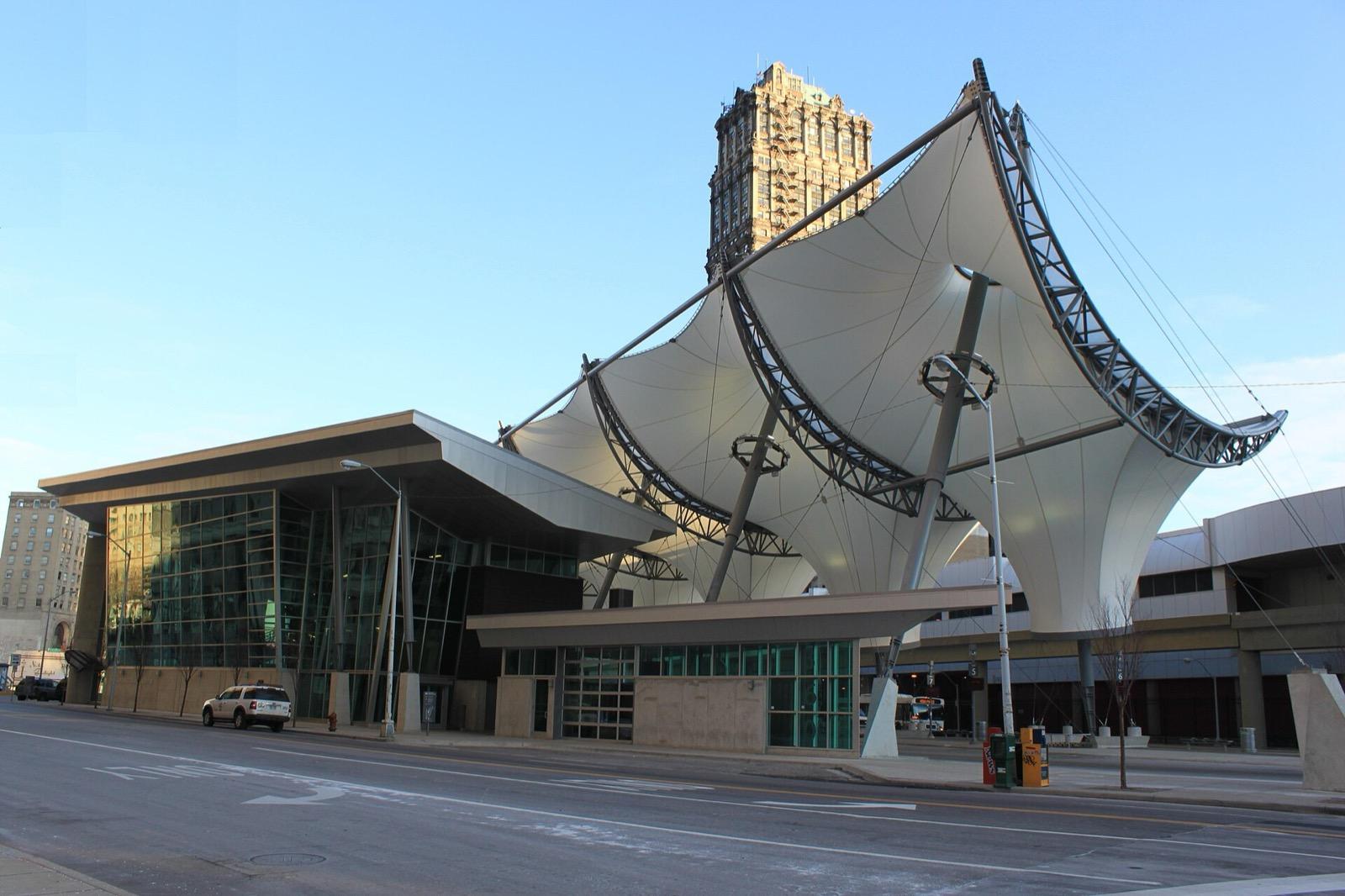
Jimmy Butsicaris died in 1996. The Lindell served its last drinks in 2002, when its corner was taken for the planned Rosa Parks Transit Center, and the building was demolished in 2006 to make room for the bus station. Johnny Butsicaris died in 2011.
The bar has been remembered since in the 2017 documentary Meet Me at the Lindell: The Story of America's First Sports Bar, which premiered at the Freep Film Festival and aired on Detroit Public Television in 2018. In March 2019 the Detroit Historical Museum recreated the Lindell for a weekend as a pop-up bar.
Sources
- Lindell Hotel Bar, 1963, Hour Detroit
- A Look at Three Historic Detroit Baseball Bars, Hour Detroit
- Detroit's Lindell AC: The Nation's First Sports Bar, Gregory A. Fournier, Fornology
- Documentary on legendary Detroit bar the Lindell AC airs Thursday, Daily Detroit
- Last Call: Legendary Detroit Bar Serves Up Hometown History at the Detroit Historical Museum, WDET
The gift shop
The Lindell A.C. sign on a tee, hoodie and more, each printed to order. All Lindell A.C. pieces