Moby Dick's
The bar at 620 Hennepin Avenue with the blue whale out front and dollar shots inside, Block E's best-known dive until the city closed it in October 1988.
- Where
- 620 Hennepin Avenue, Block E, downtown Minneapolis, Minnesota
- Open
- 1971–1988
- Known for
- Downtown dive sold on "a whale of a drink"
- Reading time
- 2 minutes
Before the whale: the 620 Club
The building at 620 Hennepin Avenue, on the downtown block known as Block E, had been a bar since Prohibition ended. The 620 Club opened around 1933, and from 1934 to 1967 it was owned by the boxing promoter Ernie Fliegel with Max and Henry Winter; Max Winter later owned the Minneapolis Lakers and the Minnesota Vikings. In the 1930s the 620 had an orchestra and a floor show, and it was best known for turkey: at Thanksgiving 1964 Fliegel posed with a 22-pound bird bound for Hubert Humphrey, then vice-president-elect.
In September 1967 Fliegel and the Winters sold the business to Maxim Kunin and Sherman Richter, who kept the 620 name for a few more years.
Moby Dick's opens in 1971
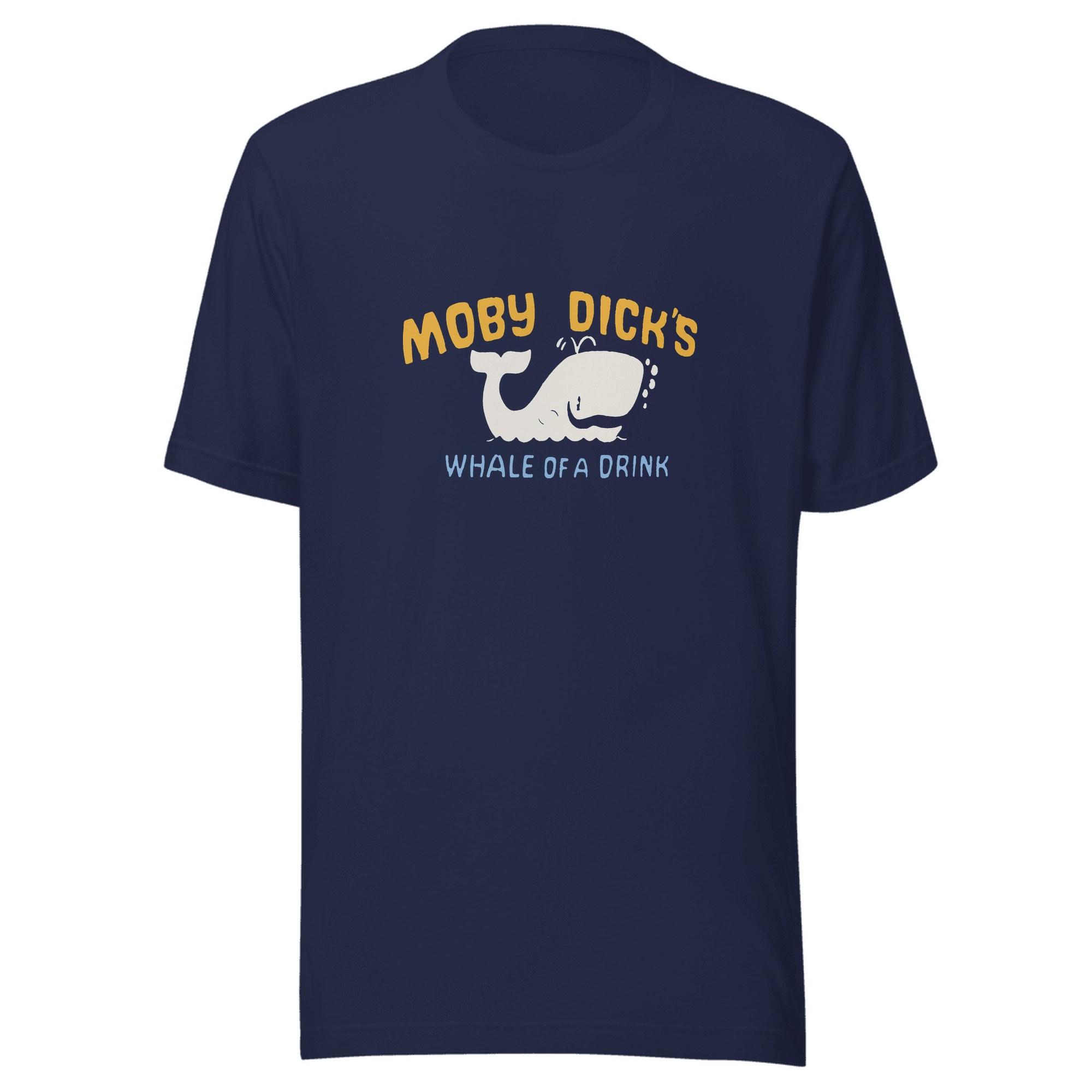
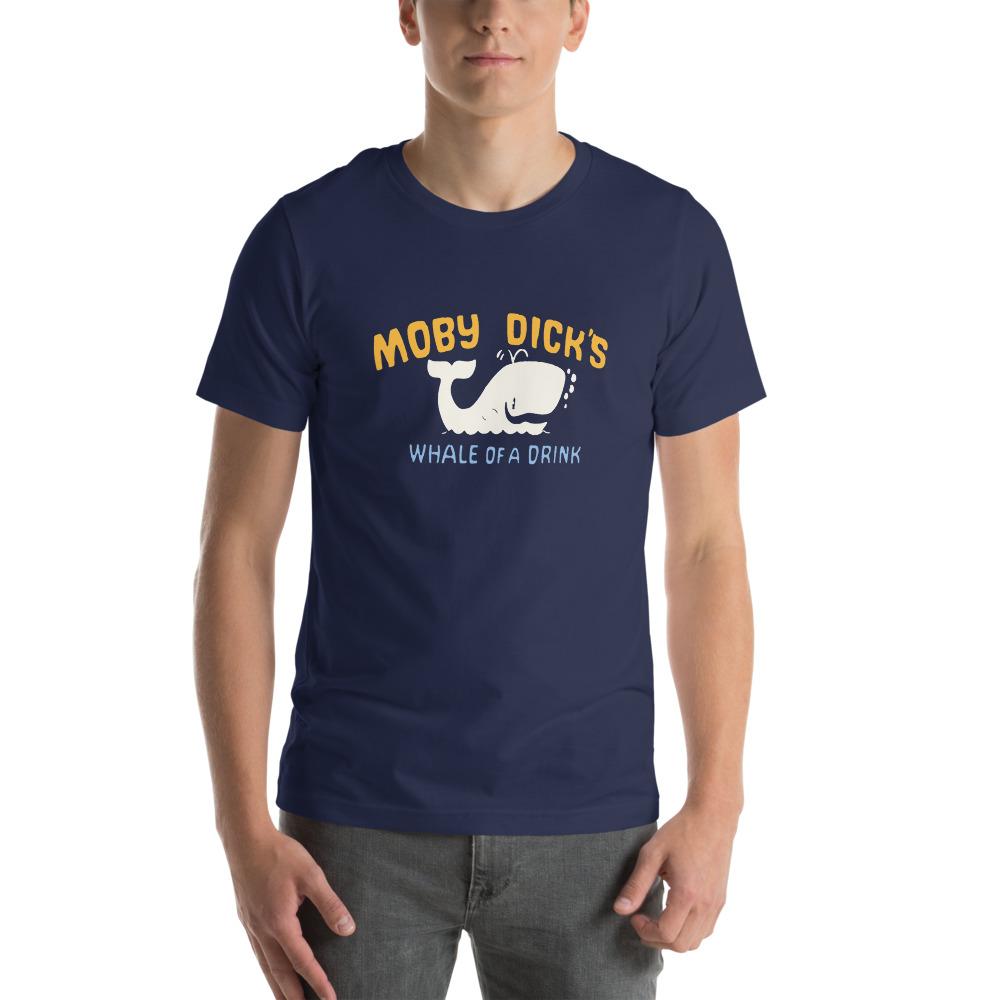
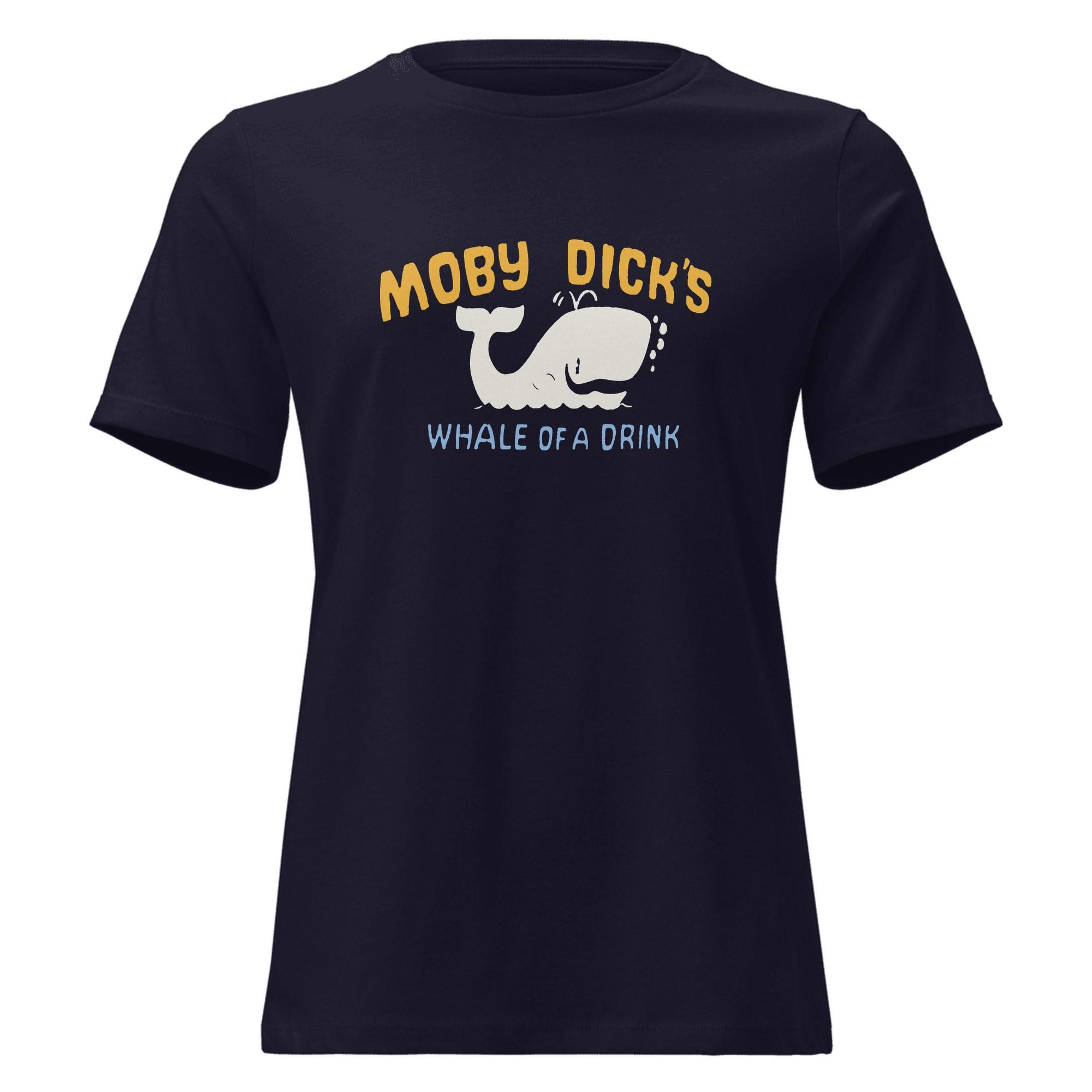
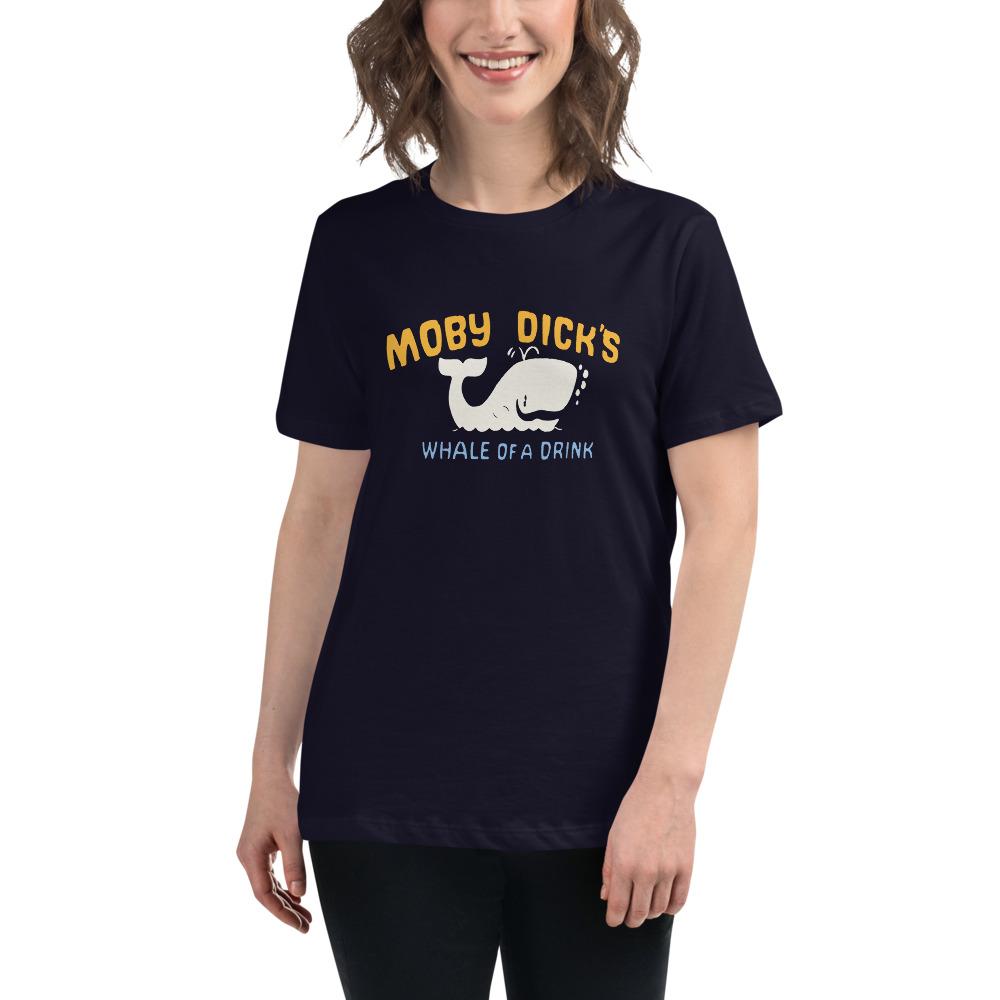
On March 26, 1971, Kunin and Richter sold the business and its licence to Moby Dick, Inc., whose owners, Allan Cohen, Steven Gold, Robert Gold and Kenneth "Kip" Canton, renamed the bar Moby Dick's. A big blue whale marked the building, and the sign over the front promised "a whale of a drink." That was the selling point: rail shots cost a dollar and came close to two ounces.
Inside, the rooms were windowless and the main bar had a low ceiling. When Minnesota lowered the drinking age to 18 on June 1, 1973, the queue to get in was said to reach from the front door to Seventh Street. The bar was known for having foosball, Pong and talking pinball machines early, and a disco was added in the back in late 1975. In the early 1980s the sound man and booker Steve Raitt brought in live bands, among them the Doug Maynard Band.
“Moby's may have been the first truly integrated bar in the Twin Cities.”
Hustlers, office workers and Clarence the bouncer
The crowd was mixed in every sense. Office workers and businesspeople drank alongside tourists, pool players, musicians and hustlers, and it has been remembered as one of the first truly integrated bars in the Twin Cities. Days were quieter, with pinball and foosball, and a bartender might hand a child a free pop. The bouncers had reputations of their own, the best known a man named Clarence. Co-owner Kip Canton admitted in 1972 that the place drew plenty of hustlers and pimps along with the nice guys.
Police and newspapers often painted Moby's as the centre of downtown crime. One police sergeant claimed that anyone walking in had a one-in-four chance of being assaulted, though a beat officer from the mid-1970s called the worst-bar-in-town talk nonsense. A police chief later described it as the perfect example of a cesspool that breeds crime.
The Block E cleanup and the last night
By the late 1970s many regulars had drifted to the bars on the I-494 strip, and through the 1980s the city worked to clear Block E, evicting businesses and bulldozing buildings. Moby Dick's held out longer than most, but it was included in the cleanup and closed for good on Sunday, October 2, 1988. Its licensees told the city the next day that they were out of business. Co-owner Gold hoped to reopen in the Warehouse District at 127 North Washington under the name Herman Melville's, but artists in the neighbourhood opposed it.
From parking lot to Mayo Clinic Square
Once cleared, Block E was a surface parking lot for about two decades. A new Block E entertainment and shopping complex opened on the site in 2002, and in 2014 it was renamed Mayo Clinic Square.
Sources
- Remembering Minneapolis' most infamous bar: Moby Dick's (excerpt from Closing Time by Bill Lindeke and Andy Sturdevant), MinnPost / Minnesota Historical Society Press
- 620 Club / Moby Dick's, Twin Cities Music Highlights
The gift shop
The Moby Dick's sign on a tee, hoodie and more, each printed to order. All Moby Dick's pieces